Empowering Women of Nepal Expedition – Anna Fleming
“In February I went on a 4-week expedition to Nepal to meet, interview and explore with trailblazing women who are transforming society and mountain culture in the Himalaya. In 1994, Lucky and her sisters Nikki and Dicky Chhetri established 3 Sisters Trekking Company the first ever female-led adventure trekking company in Nepal. In the patriarchal society of Nepal, women did not work as mountain guides: they were considered ‘impure’ because they menstruate and were not allowed in the mountains. Meanwhile, female trekkers were experiencing difficulties with male Nepali guides who expected ‘certain things’ from western women.
Lucky and her sisters have changed all this. Since 1994, they have trained 2000+
Nepali women to work as mountain guides through Empowering Women of Nepal.
Lucky invited me to Nepal in February 2025 for a month, to observe their training
programme with a new cohort of Nepali girls and women, to interview them and go on an adventurous trek together into the Himalaya. The expedition was a great
success. I gained a deep immersive understanding of their work in action and now,
having returned to Scotland, I will share these insights and experiences widely
through my own work as a writer and mountain professional”.
We are looking forward to seeing you for our 3rd Supporters’ Open Day on 23rd August at Farr Hall IV26AX. The event is free to anyone who has donated to the Trust this year, and is open to all. If you haven’t already, we will ask you for a small donation when you arrive. It is a chance to get together, meet others and enjoy a day with friends old and new. You are welcome to join in all or just part of the day.
Morning Activities will include climbing/bouldering, paddleboarding, guided walks, childrens’ yoga and a stonoga (centipede).
Afternoon will include a chance to talk to us and recipients about the Trust over refreshments. There will be short talks by grant recipients, and a bouncy castle. There will also be opportunities to spend some cash, in aid of the Trust!
The day will culminate in an early evening Barbeque.
We are also looking for previous grant recipients to give a 5-10 minute talk (or just talk informally to supporters), helpers to assist with activities (including children’s), make, serve and clear up refreshments, fundraising tables, BBQ, etc. If you can help, please get in touch: theneilmackenzietrust@dr.com
Can you help? We are in contact with an Australian family travelling the world by bike. They are on Arran at the moment, heading for the Outer Hebrides then Inverness, Edinburgh and Newcastle. They are looking for hosts, and would like to meet schools, outdoor groups including, for example, D of E, guides, scouts, etc. If you can help, there is more information on P3 below. Also: www. swagfamily.au
News
Thanks to all our supporters and sponsors. Special thanks, this month, go to Duncan Grant and Elliott who raised £1,405 for us by completing 50k Ultra X on the south side of Loch Ness on 4th May. Also thanks to Hawco and The Inverness Car Company for their donations.
Grant news: The following recent applications were successful: VOC Neil Mackenzie Adventure Grant – annual award to member/s of the University of British Columbia Varsity Outdoor Club. 2025 grant has been awarded to a group of members to go for a ski trek in the Monarch and Ha-iltzuk icefields, in the Coast Mountains of British Columbia. Educational Expedition Grant: Kirsty Dinning will receive a grant for a research expedition to Ecuador. Expedition Grants: Schoolgirl Anna Lafferty has a grant to go trekking in the Hardanger Plateau in Norway. A group of nine climbers from the Highlands, has been awarded a grant towards establishing new rock climbing routes in Kyrgyzstan. Small expedition grants have been awarded to two groups of students from UHI Fort William.
More dates for your 2025 diary:
19th July: Come and see us at the Highland Gathering, Corriegarth Estate, Gorthleck, near Inverness. 12 – 4pm.
29th November: St Andrew’s Eve ceilidh, Farr Hall IV2 6AX to celebrate 10 years of the Trust. Look out for tickets from July. We will be looking for helpers – so let us know if you are coming and what you can do to help.
Skills training reports: Anne-Maelle Penot and Daniel King from Edinburgh University Sailing Club completed their RYA Day Skipper training in Largs, in February.
“The aim of the course was to become competent in skippering a small yacht. This included: preparation for sea, deck work, navigation, pilotage, meteorology, rules of the road, maintenance and repair work, engines, victualling, emergency situations, yacht handling under power, yacht handling under sail, passage making and night cruising.” Daniel “The weather was typical for February; it was cold, and clouds obstructed the sky for most of the week. A few snowflakes greeted us on Monday morning, leaving the mountains of Arran beautifully dusted in white. The wind ranged from moderate to strong, culminating in a final-day gale that kept us docked on Friday. Going for a Day Skipper course in February was certainly a bold choice, but it prepared us for the toughest Scottish conditions. I dare say we did pretty well and thrived despite the cold and wet weather.” A-M “The week was over and with it I had gained my RYA Day Skipper certificate. This allows me to charter small yachts. ………The course has also taught me new knowledge of handling the boat and sailing generally. I hope to be able to pass these on back to the Edinburgh University Sailing Club (EUSC). Whether this be the West Coast Cruise later in the year or through weekend sailing sessions…….. I see that this course lays a basis for gaining further experience sailing. I enjoy sailing for the experience itself, being on the water allows a new perspective and you tune in to the weather, wind and waves around you. …………..By the end of the week we had sailed around 144nm, including 7h of night sailing, over 4 days.” D I had a great time both learning how to be a skipper and living for a week with a fantastic group of people. I am very grateful to the [Neil] Mackenzie Trust for supporting me in this journey and I am looking forward to skippering a yacht for the first time this summer – putting what I have learnt into practice. My goal is to follow Nick’s mantra (“The moment you become a Day Skipper, you become a teacher.”) and keep sharing the sailing knowledge and passion!” A-M For full reports see www.theneilmackenzietrust.com
G’day! We are a family of 5 from Australia (mum Nicola, dad Andrew, Hope 11, Wilfy 9 and Jeannie 2.5) and we’re travelling the world by bike.
We have been on the road now around 15 months cycling through New Zealand, South America and now the UK. As teachers we school the children along the way and they have a great time meeting other people and exploring the world slowly. We often sleep in tents, but also love the hospitality we’ve received along the road staying with locals, eating together, sharing stories and learning about the places we travel through.
We also communicate the adventure to schools and programs across the world for free via our website www.swagfamily.au – along the way we also visit classrooms to share our love of adventure.
If you would like to know more about us you can check out the adventure on Facebook and Instagram via @swagfamilyhughes or the whole story via www.Patreon.com/swagfamily
We are looking for places to stay, people to connect with and schools/programs to visit along the way so… If you would like to host us or know someone along our route that might be interested please get in touch via Nicola@swagfamily.au
Route:
We’re currently on the Isle of Arran and heading to the Outer Hebridides, back to Inverness and down to Edinburgh/Newcastle for around mid June.
We gave out our first grant over seven years ago, and since then we have helped over 65 individuals or groups with outdoor skills training in Scotland and expeditions all over the world. We are privileged to be able to help, and when we see the difference that we have made to some of our recipients, we are humbled. However we cannot do it without your help! Over the last 5 years we have raised between £3,000 and £4,500 per year, an average of £3,450. We have had individuals who have taken part in sponsored activities, one off donations, raffles, and we have supporters who donate on a regular basis. Thanks go to all of them! This year we would like to double that average, so that we can help even more people!
What can you do to help? We are planning our own “fundraiser” for 2024 – and we hope you will join us (see details below), but we would be delighted if you could set something up yourself. How about a ceilidh, your own fundraising challenge, a talk or other event? It may be that you have benefited from a grant, or you may just like what we do! If you are not a fundraising type, we would appreciate any donations, however small. www.paypal.com/donate?hosted_button_id=J5HDY5E3CETAC
Become a supporter ………… For a small donation each year you will receive a supporters’ newsletter which has more information about the Trust and how it operates, as well as more details about some of our recipients and their courses and expeditions. We will be holding a Supporters Day on 24th August 2024 – save the date – in the Highlands, and we hope to have some recipients participating, some interesting discussions and innovative activities.
Join us for a Walk around the World! For our fundraising activity for 2024 Angus and Margaret (Neil’s parents, both in their 70s) plan to cover a minimum of 2,024 miles, an average of 2.76 miles each, every day, that’s 3238 km ((4.42km per day) and would roughly get us across the Atlantic! If you would like to “join” us maybe we could, between us all, cross Canada (approx.3110m, 5005km) as well – or even the world (15,500m, 25033 km)!! Join us for a year, a month, or even just a week. Walk, cycle, ski, swim, paddle or any other self propelled activity. Record and let us know your distances, in miles or kilometres, and, if you can, add a donation to www.gofundme.com/f/join-us-in-our-walk-around-the-world We will donate for EVERY mile covered! More details are available on the website: www.theneilmackenzietrust.com/fundraising or contact us by email or Facebook for more information. We are currently working on an event/challenge on Strava, so you can also join us there. We will be backing up all distances on a spreadsheet and we will update you periodically through the website, facebook page and newsletter, as well as updating the running donation total on gofundme.
Grant news: Applications are coming in for 2024, and the following skills training grants are approved:
Phil Amos: Winter Mountain Leader assessment which will take place in February.
Kamron Hardacre: Sea kayak leader training. Date to be confirmed.
Extracts from teenager Georgie Cavanagh’s trip to Madagascar in August 2023 “After traveling for 2 full days, taking 3 flights, a bus and a couple of jeeps we had finally made it to our camp in Sainte Luce in the south east corner of Madagascar. We dropped our rucksacks carrying everything we would need for the next 16 days outside the long house and made our way inside……… We quickly got to learning everything we needed to know for our time around camp such as health and safety, what research and surveys we would be assisting with and the general dos and don’ts of the culture which are known as Fady. The things we were told not to do were no pointing, feeding animals, talking about money or politics, talking about food from the UK, asking a lot of questions we were also told to be very respectful around burial sites……………..
Day 5 brought our first morning survey for my group so we were all up at 5.30 so we were ready for breakfast at 6. Our breakfast consisted of bananas, banana bread, Mofos (fried donuts) and rice pudding which was nearly everyone’s favourite meal of the day. That morning my group were doing a Herpetofauna long term monitoring survey which involved walking along a transect and counting and recording different reptiles and amphibians we saw. We would record information such as species, age, location, hight of ground, distance from transact, weather and canopy cover for each animal we found so it’s quite time consuming………………………….
On Day 14 we drove through the mountains and rice fields which had glorious views and apart from one mishap with one of the cars briefly setting on fire we made it to fort dauphin safely. We had checked into a hotel for the night which had a swimming pool and real showers which we were all very glad to see. We went for a lovely meal in the hotel’s restaurant where we all talked about our favourite things that we did wile on camp and how excited we were for the tour of the capital the next day…………..” Full report will be available on the website very soon.
Reminder of application deadlines:
31st January 2024 VOC NMAG Adventure Grant Educational Expedition grant: 31st March 2024
There is no deadline for other grants. Remember to let people know about us! We might be able to help them, or they might be able to help us.
Another youngster who benefitted from one of our grants this summer.
Shetland to Oban Voyage report
My sailing voyage from Shetland to Oban was an experience filled with excitement, learning, and breathtaking scenery. Throughout this journey, I had the opportunity to develop my sailing skills, witness stunning landscapes, and create unforgettable memories with an incredible crew.
During the voyage, I had the chance to expand my sailing knowledge and skills. I learned more about the orders of putting sails up and down, a skill that required coordination and teamwork. The staff guided me talked me through process, teaching me the importance of proper sail handling techniques. I practiced my skills in tacking and jibing, navigating the boat through different conditions during the voyage. We also took turns in leading sail hoists and drops which boosted my confidence as being able to make mistakes and learn made me remember the process more.
The journey from Shetland to Oban was a great view to see. As we sailed along the coastline, I was captivated by the dramatic mountains, unique lighthouses, and secluded beaches. We were very lucky to see dolphins and whales which was amazing because I had been wanting to see a for some time.
One of the highlights of this voyage was the laughter shared with the crew. Together, we worked together and stayed resilient in bad weather conditions and formed lasting friendships. Even during the moments of hard work, there was always time for laughter and funny stories. Whether it was cooking meals in the galley or going on shore and exploring, the sense of community and adventure made every day on the boat precious. Looking back on my voyage from Shetland to Oban. I am so grateful for the lessons learned, the beauty witnessed, and the friendships made.
“Now obviously there was a lot of bad press regarding the conditions, but I disagree with almost all of it. The slander of the camp failed to mention truly how incredible it all was, not once did it ever say the chances that scouting had ever give to people like me, it did not mention the way the jamboree experience turned me from an intimated introvert, to a social young adult I am now.” AMcB.
Expeditions come in limitless guises. We aim to help individuals and small groups (including families) to go on expeditions anywhere in the world. They are required t o demonstrate that they will benefit from the grant by personal development, education, physical challenge and/or mental stimulation. I think these boys have done all of that!
Three teenagers from Ayrshire were awarded grants in 2022 to attend the World Scout Jambouree in South Korea in August 2023. It started with a selection process, and was followed by an enormous amount of preparation and fundraising. We were delighted to be able to help, but disappointed we were not able to attend their presentation in person, on their return. We have, however since received the following reports from them, and they make truly interesting reading.
World Scout Jamboree My WSJ Experience by Alistair McBurnie 613 days. 8 training camps. 36 participants with 4 leaders. 1 jamboree. This was the length between acceptance into a placement of the world scout jamboree for unit 7, and our arrive home. The world scout jamboree is one of the most, if not the, largest organised camps worldwide, hundreds of nations with thousands of scouts. And it is impossible to even begin to describe the feeling and wording of being able to take part in an event like this. I have been a scout for 12 years, with hundreds of camps and memories within those dozen years, and I would give and erase every single one of them just to relive the jamboree again. The world scout jamboree of 2023, within Korea, was by far the best moments within my 17 years of life, starting off with 39 strangers that by the end felt closer then my own family. Starting this, I was a terrified young boy at a selection camp that was sick in the car at even the thought of having to compete with 70-80 others for an opportunity like this that I felt I did not deserve, then the acceptance email completely changed my life, all fears doubts and worries I had ever had in myself seemed to just vanish due to this chance I was giving. Skipping to the jamboree itself, the start was the night before the flights when we all had met to stay the night to prevent any late coming or other emergencies, this was the beginning to almost two solid days of travel before arriving at Incheon international airport and instantly everything had changed. Firstly, was the heat, solid 30 degrees instantly before we had even stepped off only to be greeted by more international scouts, the first time I had every met a foreign scout. Seeing the difference in uniform, culture, manners, and language was incredible, this start of the international adventure and direction my life has adjusted to, this sole moment is now my motivationWorld Scout Jamboree to explore as much as the world as I
to explore as much as the world as I can. Something I never wanted before the jamboree. And after possible the most incredible experiences of tourism I will ever feel by seeing the capital of Korea, from its night markets to its high-rise hotels. From speaking to the homeless all the way to high level officials. I truly felt like I had experience all I was able to, all within a week too. But now it was the important part, all the fundraising, waiting, memories had built up to this, arriving to our campsite to see the opening ceremony. The few hours of watching the ceremony will forever be been burned into my mind as it felt like everything had paid off, the waiting had ended and I had never felt more completed, I truly felt like nothing could ever beat it. Now obviously there was a lot of bad press regarding the conditions, but I disagree with almost all of it. The slander of the camp failed to mention truly how incredible it all was, not once did it ever say the chances that scouting had ever give to people like me, it did not mention the way the jamboree experience turned me from an intimated introvert, to a social young adulty I am now, it’s difficult to stay within the word limit given to me here because I could write forever about how beyond grateful I am for an experience like the jamboree as well as how incredible thankful am from the support of yourself for your donations that allowed an opportunity like this to happen. Your funding has positively changed the life of the lads you donated to forever, as none of us will ever forget an experience like this or the endless support you have given us that allowed memories like this to be made. Thank you for this.
The Neil Mackenzie Trust is very excited to be assisting (in a small way) Claire Mellish (Tuppence) who is part of a team who will be attempting to be the first in history to cross the Northwest Passage on a rowing boat in a single season. This is one of the “last great firsts” on earth and we hope to be able to post updates, from her, during the course of the summer. The following is extracted from information we have received from her to date.
The Northwest Passage Expedition – The End of The Row, updated 2nd October
After making the decision to end the expedition at Cambridge Bay we had to wait at anchor for a few days for the right weather to allow us to get across Queen Maud Gulf to Cambridge Bay.
It was a little frustrating knowing we were so close to the finish (only about 25-30NM) and having to sit and wait for days but there were strong south easterly winds blowing and we wanted to make sure we could get across safely. We were all pretty good at waiting by now and continued our four hour on- four hour off anchor watch routine. The nights were quickly drawing in and we were getting around 10 hours of darkness. We did manage to sneak a little closer to Cambridge Bay on Thursday 14th and anchor in the shelter of the Macalpine Islands just off the coast. On Saturday 16th we were predicted to have a calmer day and just as were lifting our anchor in the morning to set off we received a hail on the VHF from Royal Canadian Coastguard Vessel Sir Wilfred Laurier. They informed us they were 5NM away and were putting their rapid response vessel in the water and would be with us in in 15-20 minutes. We told them that we weren’t in distress, but they asked us to sit tight and wait for them to arrive.
Upon arrival one of their crew came aboard Hermione and chatted to crew members to find out how we were all feeling and assess our physical state (we were all fine other than being tired and a little cold). The coastguard crew told us they had received a call from their HQ telling them we needed assistance (perhaps it was a concerned citizen, we aren’t totally sure). Since the coastguard had come all the way out to see us (thankfully they weren’t needed anywhere else at that time as the last thing we wanted was to take up search and rescue resources unnecessarily), they requested that we came with them onboard Sir Wilfred Laurier and that they would tow Hermione behind. In the end, however, it was decided that we five crew would go onboard the coastguard vessel with three (Leven, Livar and Davie) remaining on Hermione and Sir Wilfred Laurier and their RIB would escort Hermione (at her own speed) across the bay and into Cambridge Bay.
Coastguard Rib alongside Hermione
The wind died down as predicted but the fog rolled in reducing visibility to perhaps 20 or 30 metres. Hermione motored along under the power of the electric engine at around 5Kts, so we made good time getting into Cambridge Bay. On board Sir Wilfred Laurier five of the crew (me included) were treated to warm beef broth to warm us up and they kindly provided us with lunch. It was our first taste of hot fresh food since leaving Pond Inlet and was truly delicious. It was wonderful to get an insight into life on board a coastguard vessel and we met lots of interesting crew, including a Royal Naval officer who was there to learn about ice patrols before going aboard HMS Protector (the RN’s only ice patrol ship) in Antarctica. The medical officer spoke to us to assess that we were healthy and chatted to myself and Daniel, who is a doctor, about the medical kit we had on board and any issues the crew had been having (very few thankfully).
Once we reached the ranges just outside Cambridge Bay, we were taken ashore in the RIB so that we could go ahead and organise things for Hermione and find places for crew to stay. We said our thanks to the captain and crew of RCCG Sir Wilfred Laurier and I was delighted to be presented with a commemorative ship’s coin from them. The work that the coastguard and S&R teams do is invaluable, and we are so grateful to them for their quick response and how they dealt with the situation. Thankfully we weren’t in any distress, but the coastguard team were wonderful to deal with and we cannot thank them enough. Once back on dry land (a few of the crew had the wobbles whilst they adjusted to their legs walking on hard ground again) we were stopped by the RCMP who needed to see us about some paperwork. Due to the coastguard not knowing much about us when they collected us, they had to tell the RCMP they were bringing 8 people ashore to Canada. In small communities like Cambridge Bay there is no customs office and so it is up to the RCMP to complete all necessary immigration paperwork. We had to head to the station and explain that we had already cleared customs in Canada and hadn’t left it. Unfortunately, there was some confusion and immigration thought we had headed to Greenland and then back again. Eventually we sorted everything out and were also able to start making arrangements for the necessary paperwork that was required to keep Hermione in Canada over the winter. The RCMP were also brilliant and dealt with everything very efficiently and so we are also extremely grateful to them as well.
At Cambridge Bay
Once the remaining crew and Hermione arrived, we were able to grab our kit and head off to various hotels.
The last time on Hermione when she arrived in Cambridge Bay
Eventually I reached Toronto the following evening, via Vancouver and Kelowna and was thrilled to be reunited with family and friends. The expedition and the delivery trip were a once in a lifetime experience and even though there were many aspects that could have been different and things improved, it would not have been the experience that it was without all the low points as well as the highs. I would like to thank everyone who has supported me in whatever form. From sponsorship to messages of support I am touched by the overwhelming amount of kindness I have received. This expedition has undoubtedly changed me as a person. I have grown in ways I could never have imagined, and this is an experience that will remain with me forever. Until my next update I am going to enjoy some rest and relaxation in Canada for about a month, before flying back to Scotland. The warm weather in Southern Ontario is a mighty contrast from the near freezing temperatures of the Canadian Arctic. I am going to allow my frost-nipped fingers and toes to recover and am glad to be sleeping in real bed and getting to eat fresh food again. It was sad to say goodbye to the crew, but we are all bonded for life now and I hope to see some of them again very soon.
North West passage update – 15th September
‘It is with mixed emotions that I send this email. After battling winds so strong that we couldn’t steer properly and ended up making much of our progress by drifting sideways, rather than actually rowing forwards, we have anchored tucked in behind a small island at Cape Alexander. We have been waiting for the weather to improve to allow us to proceed. As the weather does not look favourable to allowing us to continue safely, after much discussion we have decided that we will be ending the expedition here are this time and will make an attempt to move back to Cambridge Bay where we will overwinter the boat and fly back home.
There may be the possibility of completing the rest of the journey next year. At this stage I can’t say whether I am able to be a part of this, but no matter what happens doing even half of the NWP feels like a huge achievement and I will be stepping away with my head held high, proud of my achievements and glad to be safe and sound.
This decision to stop was not made lightly but in the Arctic the one lesson that I have learnt is that you cannot underestimate the environment and have to consider all risks. We are getting later in the season and the temperature will only continue to fall. The darker nights make navigation both difficult and potentially dangerous. The combination of mixed currents and strong winds makes navigation extremely difficult and we have to avoid getting into a situation where we have no escape route and could end up run aground or smashed up on rocks.
I am incredibly proud of myself and the crew for what we have achieved so far. This journey has been a true once in a lifetime opportunity. I am so grateful to all of the people who have helped me get to the start line and to all the new friends and contacts we have met along the way, who have been kind, generous and many of whom have become firm friends.
The Arctic will forever hold a special place in my heart. It is a magical part of the world but not without its challenges. It can be beautiful and serene but also harsh and dangerous and should not be underestimated.
Our focus will now be getting to Cambridge Bay and then flying home. Once back on dry land, reunited with friend and family, and after a bit of time processing everything, I will post more about the entire experience and reflect on it all. For now though there may be only the odd update as I focus on getting back home and fitting back into normal life.
Thank you for all the support I have received and please do still donate to our charity “Siobhan’s Trust” (link can be found through the expedition social media pages) if you would like to express your support for myself, the crew and the expedition.
I will write again once we have landed at Cambridge Bay and worked out how to get home and what to do with the boat for the winter.
Kindest regards
Tuppence’
Expedition update – 9th September; report on the second week
We have completed the first week and start the second week on Day 8 Thursday 24th August sat at anchorage waiting for the wind to die down. Whilst here we have had a second sighting of a polar bear in the early hours of the morning.
The boys sitting on deck at anchorage
There is little that the crew can do when we are waiting at anchor than to sit patiently and wait for weather to allow us to continue our journey further south. Watch/shift routines have to be maintained and are changed to 4 hours rather the 2 hours when we are on the rowing deck.
In the early hours of the morning of Day 9 we had to reset our anchor as were dragging in the strong winds. It was a battle against the wind to get back to shore and the rough weather made it hard to grab the anchor rope. Once safely back close to shore and anchored and in the afternoon, we managed to make our way a little further south to the edge of the northern side of Cresswell Bay. We encountered a snowstorm, with thick flakes hitting us horizontally from our starboard side and eventually the wind was too strong to continue, so we anchored for the night until the weather improved.
On DAY 10- Saturday 26th August I was feeling rather tired and ill today, I think feeling the effects of the cold a bit. The wind direction changed to be more favourable at around 1pm and so we set off crossing Cresswell Bay and made good speed. We passed a magnificent iceberg as we got closer to land on the south side of Cresswell Bay. We anchored for the night further down the coast and managed to get a bit of sleep.
DAY 11- Sunday 27th August saw us arrive at Fort Ross, the last Hudson’s Bay Company trading post to be established. It was active from 1937-1948 and two of the old cabins remain. We beached the boat so we could come ashore and explore the cabins.
The crew outside the cabin at Fort Ross
We signed our names in the visitor’s book and had fun looking back at the previous visitors (spotting many familiar names from our fellow 2023 NWP crews). After a tiring day half of the boys slept in the cabins and the rest of us went back to the boat to sleep.
It is important for me to mention that on Sunday whilst battling strong winds just south of Cresswell Bay we broke a dagger board, this is not the end of the world but is certainly an inconvenience. It became apparent we weren’t going to be able to anchor again safely where we were and needed to get to a more sheltered location, the wind was very strong, and we would have been blown into a potentially dangerous situation and so the decision was made to advance to Fort Ross under the power of our electric motor. The very reason we kept the motor on board was for safety and so we are glad that has paid off as up here safety is paramount. The only real change is that at the end of this expedition we can’t make any claims to have been fully human powered throughout the passage, this has been a bit of a blow to the team. For myself this isn’t a major concern, being up here and rowing any distance in these areas is an achievement and I’m not up here doing this expedition to get a nice piece of paper with a world record on it (yes it might be a nice added bonus, but this expedition is about pushing myself and getting the opportunity to experience this truly unique and magical part of the world). So moving on, we keep rowing forwards, we learn from the past and we place our sights on making sure that however far through the passage we get, we ensure that we get there safely.
The next day – DAY 12- Monday 28th August we remained at Fort Ross, and it gave us a chance to rest up and explore this wonderful part of the Arctic. Since we aren’t leaving until Tuesday afternoon I spent the day exploring around the area. In the morning a polar bear was wandering down the hillside towards us, it got about 500m away and then stopped and sniffed and must have caught a whiff of us as it turned around and scarpered.
The polar bear between the cabin and the boat
Nothing much to report for day 14, just waiting for weather. There was a window of opportunity to have left in the evening with light Northerly winds throughout the night, but it was decided to wait for a potentially better weather window due to arrive Friday/ Saturday. Moving through the Arctic is about patience and waiting for the right weather windows, but at the same time pouncing when the opportunities occur. Even if only a small window exists, and you only move a small distance before having to anchor again and wait some more it is still important to move forwards whenever possible. Weather is unpredictable up here and the forecasts are often not accurate, so we often have to see if the weather window we are waiting for appears. Another serious lesson learnt is that you can never prepare enough for the conditions here. Prior planning and safety are of the utmost importance.
DAY 15- Wednesday 30th August was spent tidying the boat as we would not be leaving for a day or two. I took advantage of being off the boat and knowing we aren’t leaving for a bit to do some laundry, so that I can have a more frequent change of clean clothes (which will be a lovely treat). The boys found a huge sack of pancake mix and so I whisked up a batch of pancakes for a sort of brunch, which was just delicious. Whilst we have been at Fort Ross the crew took time to build a cairn and affix a plaque to it that Livar had brought with him.
The first of September started with being woken up by Davie alerting me to the fact there was a Polar bear on shore looking at us. It was very close to the boat, about 25m which was only just offshore, and it was moving closer quite quickly. We shouted at it and made some noise, and I radioed our shore team as well who had their deterrents at the ready. Eventually it did go away but it was a little close for comfort. It then lay down a 100m away and was there for a long time just lying. Finally, it moved on. It looked to be in very poor condition. At this time of year, they’re at their skinniest and I suspect it was an old bear that was desperate for food and that’s why it was trying to come towards the boat. We packed up the cabin and by 12:30pm we were on the move into Bellot Strait. It was a little sad to say goodbye to Fort Ross, but it is good to be on the move again and making progress.
Half-way through Bellot Strait we passed Zenith Point, on the northern edge of the Boothia Peninsula, which is the Northernmost point of mainland Canada and North America (located at 72°00’N, 94°39’W). Our evening has ended with silky calm seas, a beautiful sunset and a lovely moon shining down on us before disappearing behind the clouds. The wind completely died down this evening, but we are due to get a tail wind and some quite high speeds, so we shall see how that pans out, we may need to seek an anchorage to shelter for a bit.
This second week has been tough, but also pleasant with some questions being asked. We have noticed the temperature has dropped and been getting the odd snow shower, this means we have had to be more vigilant of the cold exposure to each individual as it can have serious effects to people’s judgement and thought processes. The days are shortening quite quickly, and the 24 hour daylight is slipping away fast and so there will be more rowing in darkness over the next stage of the expedition.
Update – 26th August; The Row has started – report on the first week
DAY 1- Thursday 17th August The crew had its final landside breakfast at the local hotel prior to setting off. Once we left the harbour the swell picked up and it was a bit of a battle all afternoon. We covered lots of ground though and are making progress. It’s been a bit of a baptism of fire for the crew, but everyone seems to be doing well. As I finished my shift, I was treated to seeing a beautiful bright red sun on our port side and a seal popping it’s head up to try and say hello every now and again.
Leaving Pond Inlet
DAY 2- Friday 18th August A slow day battling head winds as we tried to move north in Navy Board Inlet. We made up to the anchorage on the west side that we used on our way south. Tonight we are all sat on anchor watch, and the wind suddenly picked up a bit, so we hoped our anchor will continue to hold.
DAY 3- Saturday 19th August We were at our anchorage until 1pm and left with a South Easterly wind helping move us on our way up Navy Board. As we reached Tay Bay (where we first anchored when dropped off by Ugly Betty) we made the decision to keep going as the weather in Lancaster Sound looked good. During the day I took a couple of cast measurements for salinity with our CTD pod, for New York University. I also collected a piece of sea ice to melt and put in a bottle, which may hopefully be used for measuring microplastic levels.
DAY 4 & 5- Sunday 20th and Monday 21st August Today we could see Devon Island in the distance to the North as we slowly made our way along Lancaster Sound. The wind picked up and we had quite a swell with some biggish waves. We had a tail wind but the currents come from every direction so we didn’t pick up much extra speed. I am still finding the two hour shifts hard to adapt to, very hard to wake up, and then hard to get to sleep, hopefully I’ll adapt with time. It’s quite chilly and there has been a lot of fog which makes navigating much harder, as more concentration required, and there are no fixed points on the horizon to aim for.
DAY 6- Tuesday 22nd August Today we slowly turned down towards Prince Regent Inlet from Lancaster Sound and it has been very misty. Keeping morale up and passing the time on shifts with music, or Harry Potter audiobooks for all the crew. We are making our way across Prince Regent to get into the lee of the land on the west side, and then we will head south. The mist began to lift around mid-day and as we have slowly made our way south down Prince Regent inlet, we have been able to see the cliffs of Somerset Island. The last shift of the night was beautifully calm, with the sun glistening through the clouds and a couple of inquisitive seals coming nearby and following us for a bit. A few birds swooped down low and circled the boat a couple of times and the only noise to be heard now is the gentle splashing of the oars. It’s incredibly tranquil and a lovely end to the day.
Rowing in the mist
DAY 7- Wednesday 23rd August Making our way down Prince Regent Inlet today, staying tucked in close to the shore of Somerset Island. The limestone cliffs of the island are quite impressive, with some bits looking like battlements of a castle complete with buttresses, and other bits looking like Easter Island statues sticking out of the rocksWe passed Batty Bay this morning, which is where the ship the Prince Albert overwintered for two years whilst searching for the lost Franklin expedition. We anchored at Fury Point until the wind died down a bit and we then plan to move further south. Being at anchorage is an opportunity for us to get a few extra hours rest (we switch from a two to a four hour shift pattern), as well as sorting kit and tidying things on the boat. Whilst on my rest period I was awoken by the boys on deck. Andy had spotted the first polar bear of our trip, walking along the shore towards us. They got polar bear deterrents ready, but it turned around as soon as they waved their arms and said, “go away bear”.
Update – 26th August; final part of the delivery trip
The final part of the delivery expedition was crossing Baffin Bay from Greenland to Canada.
The journey across Baffin Bay
Originally our plans were to head across from high up on the west coast of Greenland, but as the weather was not looking good, we headed back south towards Upernavik with the MV Ugly Betty towing us as it would not be safe to make the crossing with the forecast of 30kt winds.
The plan was to reach Tay Bay which is down Navy Board Inlet, on the west side of Bylot Island and then we would part company with the MV Ugly Betty at this point. After cruising through fog, we had our first sighting of Canada as we entered Navy Board Inlet. What a journey it has been so far. Only about 100NM to go before we reach Pond Inlet and the start of our rowing expedition.
On Wednesday 9th August the sea was pretty choppy and there was lots of fog. As we approached Bylot it was pretty foggy, and we had a very unlucky collision with a bergy bit. Hermione got a dent on her port side but not too much damage done. The evening was gorgeous as we arrived at Tay Bay and this was where we had to say goodbye to The Uglies. After anchoring we had a celebratory glass of bubbly for making it to Canada and then started on our usual 4 hour watch shifts.
Celebratory glass of bubbly
Now that we are under our own power again, we waited at the top of Navy Board Inlet in Tay Bay to allow the conditions to improve. We headed south and then decided to try and cut to the west shore of Navy Board, as that is where there was less ice on the charts. Unfortunately, we had some wind being funnelled down Navy Board, which usually would have been a lovely tail wind but made it harder to manoeuvre through ice. We persevered for a bit but didn’t like the conditions so headed back to the East Side and decided to anchor for the evening. It was a truly beautiful spot yet again and we saw a couple of Bowhead whales and some seals whilst on anchor watch. The sea began to freeze in a thin layer in places, which was mesmerising to watch little frozen circles of ice drift past. In the afternoon we were hailed by SY Ocean View, which had anchored in Tay Bay the previous night. Saturday 12th August was just an overall fantastic day and I have climbed into the cabin after my last watch shift smiling after such an enjoyable day.
We finally made it to Pond Inlet on Sunday 13th August – having set off just before 4am with beautiful calm seas. There was very little ice, and it was easily navigable. A very pleasant morning.
Pond inlet
After waking for my next shift at around midday it was pretty choppy and we were very close to meeting up with Marie Tharp, a research vessel which had agreed to help meet up with us. Timing couldn’t have been better as the rougher seas seemed to be causing the engine fault to glitch more and so we were fighting a battle against the wind with trying to make progress and steer whilst our engine kept cutting out. Marie Tharp threw us a line that we attached to our bow line and then they set up a bridle to tow us behind. Given the conditions we opted not to go aboard their boat as bringing Hermione alongside would have likely caused some damage. We kept steering whilst they towed us, which was a bit of a battle with the weather as well. Monday 14th August was our first day on Canadian soil. We had a bit of time together as a team just to catch up and made some plans for the next few days. Our boat attracted a lot of attention from the local kids and we had a lot of fun having them on board playing around the boat.
Local children helping us load the boat
We spent another day of organising the boat, fitting the new electric engine (for emergencies if required) and packing things like the medical kit.
Update – 17th August; the row has started!
Just a quick update today to say that the team left Pond Inlet today and have started their attempt to row the North West passage. Further info on the final part of the delivery trip and the first part of the actual expedition will follow shortly.
Rowing Hermione for the first time in the Arctic with Davie
Sunrise through the fog
Update – 2nd July
This is an update about the NWP expedition’s first few weeks covering our trip from launching the boat in Eyemouth to leaving Iceland.
I have been away for just over three weeks now, admittedly only four or so days has been at sea, but it’s been a brilliant experience. We set off from Eyemouth Harbour on the evening of Thursday 8th June having spent the day doing final preparations and checks.
Leaving Eyemouth Harbour
On our journey from Eyemouth to Orkney I got to get a good feel for the workings of the boat and really worked some muscles trying to steer our course in some strong winds and choppy weather. Watching out for offshore wind farms, boats and lobster pots was also a good way of staying alert.
We had a great few days in Orkney, and I loved meeting some truly wonderful people, from all over the world who were interested in our trip, and it was great to hear their stories as well. Whilst in Orkney, we also met Maiwenn Beadle, who has crossed the passage before, and she gave us some wonderful advice about our weather routing and passage plans. Radio Orkney also did an interview with us and this can be found on BBC Sounds https://www.bbc.co.uk/sounds/play/m001mw7p (24.3mins into the programme is when the interview starts).
Members of Orkney Rowing Club paying a visit to Hermione
Our next leg was to get to The Faroes, and we had beautiful calm waters, but lots of fog. We made great time, as we expected to take maybe 3 or 4 days and did it in just over 2 days. The fog made spotting vessels hard, even with the AIS alerting us to their presence, we couldn’t see ships until they were almost next to us, and so we had a couple of close calls with a tanker and also a pair of fishing trawlers, but thankfully all collisions were avoided, and we made it to Hvannasund safely.
There looked as if there were going to be some strong winds as we approached Iceland and we were concerned about manoeuvring Hermione into port, as she doesn’t turn well with the engine, our options were to sit and wait for the weather to pass, meaning arriving in Iceland later than planned, or possibly to get a lift on a bigger boat. Last year we had been offered a sponsored lift on a container boat to Iceland by cargo ship and so Livar approached them again and they were thrilled to help us out. We then set about making a cradle to support Hermione and a couple of days ago we motored her out of Hvannasund and into Torshavn to have her lifted out of the water and onto a bigger boat.
Motoring late in the evening to the other side of Faroe
With Hermoine safely loaded on a Cargo Ship we spent the next couple of days sight seeing on Faroe and enjoying the island’s hospitality which included celebrating Livar’s local village team winning at the rowing regatta. To get to Iceland Levan and I hopped on a plane and were met in Reykjavík by the crew of MV Ugly Betty who have kindly taken us under their wing and provided us with accommodation whilst we are in Iceland.
The next leg of the journey will be very exciting as we are to be towed by the MV Ugly Betty. So, we have had a run through of the safety protocols that the MV Ugly Betty have and worked out how we are going to attach and manage the towing of our boat behind MV Ugly Betty. So, we have just left Reykjavik and head towards Greenland, hopefully the trip will take about 6 days to reach Neuk, our progress can be tracked on the tracker that is on our expedition website. https://nwpexpedition.com/tracking/
The first two weeks have been amazing, and a brilliant experience. The best part has been all the wonderful and kind people we have met on the way, and I already know I have formed some fab new friendships, which is so exciting.
Update – posted 6th June
Although it might not seem like it things have been very busy behind the scenes and I am thrilled to announce that if all things go smoothly we will be setting off on the first stage of our delivery expedition this week (hopefully on Thursday evening).
The red line highlights our planned delivery route.
The delivery expedition will involve moving the boat from Eyemouth all the way to Pond Inlet. There will be two of us as crew for the whole journey (myself and expedition leader Leven Brown), with others joining us for shorter legs throughout. We will be moving our boat (Hermione) using an electric hybrid outboard engine supplied by E-Propulsion. Our journey will take us to Orkney, Faroe Islands, Iceland and Greenland before finally reaching Pond Inlet. We estimate the journey will take around 45 days and will be hoping to update you all as we go.
With not long left until we depart, the final preparations include repacking kit to make sure we have everything, packing our rations into bags for each person per day, as well as thoroughly enjoying the last few weeks that will be spent with the luxuries of fresh food, indoor plumbing and a comfy bed.
Posted 5th May
“As a young woman in a difficult profession who has recently spent most of their time focussing on books and studying, rather than the outdoors and adventure, I want to use my experiences from this expedition to help positively influence other young individuals, especially women, to get outside and get exploring. I want to also be able show others that when you put your mind to something you really can reach your goals, no matter how unattainable they may seem at first.”
THE ROUTE
The NWP is the route that connects the Atlantic and Pacific oceans between Canada and Alaska. The team will start their expedition at Pond Inlet on Baffin Island and intend to finish at Port Barrow in Alaska.
The search for a sea route through the NWP began during the 15th century with European explorers trying to find a trade route through to Asia. Many famous explorers such as Captain Cook and Sir John Franklin attempted to complete the passage but were unsuccessful. In 1906 Roald Amusden became the first to navigate the passage successful by ship. There have been several previous attempts to row the NWP but so far none have been successful.
THE ENVIRONMENT
The sad reality is that this expedition is only possible because of the retreating ice in the Arctic Ocean. As a team we are going to use our experiences to document and highlight the affects of climate change in Arctic regions. We will be collecting data, for research into micro-plastics, in partnership with New York University and Big Blue Ocean Cleanup. The team will be unbiased in their approach to data collection and we will be reporting the facts as we see them.
Throughout the row the team will encounter many risks and difficulties including icebergs, strong winds and rough waves and potentially polar bears. Preparation is key and as a team we have all been working hard to ensure we are both physically and mentally prepared for the expedition.
As a team we want the NWP expedition to be about so much more than our efforts to cross the passage. We want to use our experiences from this expedition and the media attention gained to be able to highlight the effects of climate change and micro-plastics in Arctic environments. We also want to encourage individuals from all walks of life to get outside and get exploring, but also to take care of our oceans and be aware of the importance of ocean conservation.
We want our expedition to have a focus on sustainability and environmental responsibility and so wherever possible we are hoping to have as little environmental impact as possible.
PREPARATIONS
Preparations are ramping up now, with only a few weeks until the delivery of the boat to Canada begins. I am going to be a part of this expedition, which will see us using an electric outboard motor, rowing and possibly a small sail to manoeuvre our boat from Eyemouth to Orkney, then Faroe, then Iceland, then round the coast of Greenland, and eventually across the Davies Strait to Baffin Island. Our plan is to set off around the 15th May, although this may vary based on weather conditions. I hope that at each of our stops I will be able to provide some photographs and updates. We will be all based up in Pond Inlet, Baffin Island from late June/ early July and are expecting to leave around mid-late July (again weather is a major factor here).
Our first sea trials this week (27/4/23) involved getting our boat (Hermione) into the water and then we wanted to test out our outboard for the delivery expedition, and it was great to see how well it did. We also got rowing practice in, and found that we rowed very well together, despite massive size differences (myself being the smallest at 5ft 4.5 and the tallest being about 6ft 4), meaning our stroke lengths aren’t always easy to match but we were able to find a stroke that suited everyone. I will admit to feeling pretty sea sick on the voyage, as the boat is long and narrow and has a very particular way of moving in the water that takes a while to get used to. However, I will be taking medication in advance next time, and am convinced it is more of a mental battle whilst my body adapts to its new environment.
In Autumn 2022 I went with four friends to the Indian Himalaya, to the Kishtwar region and to a valley full of unclimbed 6000m peaks. After getting shut down on an attempt to climb a new route on an unclimbed mountain because of heavy snowfall we rested and re-focussed. The expedition culminated in the first ascent of Barnaj II East (6303m) by a new route on the north face.
The view from our advance base camp Barnaj II east is the right hand of the two pointy peaks.
The air hostess see’s my bright red rucksack with yellow climbing helmet attached; “Are you going to climb Everest?” I smile and reply that I don’t have that kind of money and that what we’re going to attempt to climb hasn’t been climbed before. My first expedition to the greater ranges has begun, the duffle shuffle is in full swing, I am nervously excited for what the next month will hold in store. I meet the team in Delhi; Dave Sharpe, Will Harris, Matt Glenn, and Tom Seccombe. The experience and strength of these guys gives me confidence that I would learn, be humbled, and hopefully manage to climb something.
Delhi feels like a busy smelly sauna, we negotiate the chaotic roads, somehow rickshaw, bicycle and truck do not collide as three lanes merge to one without warning. Our accommodation offers curry for breakfast, curry for lunch and, curry for dinner. Love it or hate it, that’s what’s on the menu. The formalities of visiting the Indian Mountaineering Federation to receive our permit to climb Barnaj II are completed with the exchange of 1000’s of dollars for seemingly nothing… not even a piece of paper. But all appears to be well and our expedition is allowed to continue.
A short flight takes us to the mountain town of Leh, the capital of Ladakh, at 3500m the air is cool and clear, a couple of nights here feel like more useful acclimatisation than the humid depths of Delhi. Exploring the market stalls we buy dried fruit, peanut butter and pillows. The latter for basecamp comfort, the former as mountain snacks. Overland we bounce along dirt roads for 12 hours in the Force Traveller minibus, somehow, thankfully maintaining contact with the road around countless switchback bends above precipitous drops. Crossing the Indus River and then the Zanskar, we have travelled south over several mountain passes to another watershed, we are in the Kishtwar region. Impressive pointy peaks dominate every vista.
In the final small village of rustic houses each with their own patch of arid land to work, we meet our horsemen. Our bags, the loads, are debated over, sized up and in what seems like a heated discussion of five simultaneous conversations in Ladakhi they are finally divided up for each shepherd to load onto their animal. We watch on, letting them do their thing, in amazement that anything is being progressed.
The procession of shepherds, yaks and donkeys, is strung out along the trail, we round the hillside and get our first view up the Hagshu valley, the peak in the distance is striking, it is Chiring, and is unclimbed. Despite being at 4400m our basecamp (BC) is only a day’s walk from the road – a certain luxury for an expedition. The camp itself is tucked behind a moraine bank, on a flat grassy area islanded by the small stream of clear mountain water. The trail of animals and our bags slowly arrives, we gradually pitch camp, our home for the next three weeks.
Snow falls continuously overnight, laying 30cm at BC by the next morning, spirits are still high, we need to acclimatise here for a day or two anyway! Gear is unpacked and checked, the expedition chess tournament kicks off and our cook, Naveen, and BC helper, Mangal, deliver the first of many excellent feasts (Curry of course).
Sorting gear at basecamp, charging battery packs and keeping on top of personal admin – you don’t want to get sore feet at this stage (photo Matt Glenn).
Gear sorting at snowy basecamp.
The mandatory acclimatisation – mandatory suffering – must commence, the inevitable slog uphill breathing hard with a heavy rucksack pulling you back. The bright warm sun is melting the snow, gradually turning it to a sticky slop. We walk slowly, as a team, up to a 5000m camp. I stay three nights, with gradual improvement in sleep each night. The weather is still good, but for how long? There is a keenness and slight sense of urgency to start moving towards the main objective. On one of my days at the acclimatisation camp I manage to drag myself to 5600m, the views are staggering but brief before a squally afternoon snow shower comes in. I sit for a minute, head spinning, breathing heavy, I think my vision is going funny and I’m seeing stars before I realise it is the snowflakes swirling on an updraft.
Acclimatisation camp at 5000m.
From our acclimatisation highpoint there was a view of the upper north face of Barnaj II which got Dave and Matt psyched. Will, Tom and myself have our sights set on the east face of Chiring. A mountain that caught my eye, intrigued and inspired me. Being visible from a long way down the valley I couldn’t take my eyes off it so I was almost tripping over my own feet on the walk in. It is unclimbed and impressively steep, it has all the right ingredients. We set off from BC late in the morning, with bags packed for 6 days out, stopping by the ABC that Tom and Matt had established the day before to pick up a few bits of gear, leave our trainers and put on our double boots.
The approach to below Chiring although fairly flat seems to take forever, as a team of three roped together we walk up the glacier, following a set of bear tracks! An unexpected novelty, I had heard stories of there being a Himalayan brown bear in the valley, it is still here, each paw print bigger than my size 43 boot. The tracks in the soft snow weave around impressive crevasses – this is one glacier savvy bear! We continue until below what we called the Chiring icefall – a significant steepening in the glacier a few hundred meters below the east face. We made camp here and would tackle the icefall in the morning. The views of the east and north face of the mountain from our camp are equally inspiring as intimidating. Three of us top and tailing in a two person mountain tent is a cramped sleeping arrangement. I end up in the middle which has the advantage of being warm but the disadvantage of being kicked or nudged anytime Will or Tom turn over in the night.
Our camp below Chiring, the east face is on the left and north on the right. Below the east face is the Chiring icefall.
The next morning we weave our way cautiously up the icefall, along the glacier and up the lower snow slopes of Chiring east face. We spend a long time deliberating over what line to aim for, we settle on a line of (hopefully) icy corners then snow ramps and ledges to gain the NE arete higher up where it is snowy. We cut a comfortable ledge for the tent, it is only 1pm but we are content that we have put ourselves in a good position for starting climbing early tomorrow morning.
The afternoon becomes cloudy, as it often has done, snow starts to fall and does not cease, we keep an eye on it and keep an eye on the snow accumulating on the slope outside our tent. After dinner and after nightfall we check the snow again, not happy with how much has fallen and with the angle of the slopes above us. We make the decision to move our camp down 200m (vert.) to the col. It is a windy night in the tent, with as much snow being blown in through the air vents as is swirling around outside. A good soaking all round. The next morning is bright and clear again, the east face of Chiring has transformed and looks to be in good Scottish winter nick, but not 6000m peak conditions. There is another 30cm of fresh snow. The return to base camp with still heavy bags is draining, Tom did an excellent job of leading us back down the icefall, with our tracks and the crevasses now hidden under the fresh snow. This is a nervy few hours.
Matt and Dave had also turned around on their attempt to climb Barnaj II because Dave was not feeling well and struggling to breathe. The whole team is back at BC.
Whilst resting at basecamp, and waiting for the latest snowfall to consolidate, I explore the huge granite boulders in the glacial moraine. The rock quality is excellent and is some of the most idyllic bouldering I have ever done. It is a good escape from the head games of the mountains, and brought back a feeling of succeeding at something. It is nice to remind the fingers how to pull on small holds too. I convince the others to go for a morning’s bouldering the next day, we focus on hard moves close to the ground, with only a couple of thermarests in place of a bouldering mat, we decide it best not to fall awkwardly.
After much deliberation it is decided that Matt, Tom and myself would attempt Barnaj II from the north and Will and Dave would attempt it from the south.
I welcome Matt’s critique of what I am packing. I hope to cut back on what I carried on our Chiring attempt where my bag felt impossibly heavy, I had taken too much food and too many clothes. With all the gear laid out on a tarpaulin, each piece is questioned before being packed into the rucksack. Again we walk round to our ABC by the moraine trapped lake, an idyllic location with intimidating views. This time our eyes are fixed on the north face of Barnaj II and its complex ridgeline.
Matt scoping out possibilities for our line on Barnaj II.
I groan as the 1 am alarm sounds, we shoulder our bags and stumble over the moraine bank and onto the glacier, the stars shine brightly and cold air nips exposed skin. Matt breaks trail up the initial snow slope, following vague remnants of tracks from his previous attempt. The snow ramp steepens to a broad icy gully, we move together and get established on the north face.
I reach the belay, Matt and Tom already looking up at the next pitch, I clip in and slump onto the sling. I breathe deeply, trying to suck some oxygen out of this 5800m thin air. My head falls forward against the ice, Tom puts a comforting hand on my shoulder whilst Matt racks up the ice screws. We are nearing the end of our first day on the north face of Barnaj II and I’m knackered already, multiple bad nights of sleep, the altitude and a diet of oily carb-heavy curries is catching up on me. We finally find a suitable bivy spot for the night, at 5900m and after 15 hours on the go, the small icy ledge looks more inviting than it probably is in reality. In an attempt to make the ledge slope slightly less towards the precipitous drop Tom chips away at the ice with the adze of his axe. I am determined to try and make up for my lack of leading during the day and contribute to this team – so I get the stove on quick and start melting snow. I fill water bottles and then cook freeze dried meals for everyone.
Breathing heavy on our first day on the north face of Barnaj II (photo Matt Glenn).
Making repairs for my trousers at our first bivvy. (photo Tom Seccombe).
The upper couloir yields slightly trickier climbing that we pitch, with some short sections of moving together. Good icy steps of around Scottish grade V, before some mixed sections before reaching the ridgeline at 6100m. We decide to camp here, tired after yesterday’s long day and keen to enjoy the morning sun from this position. Although a desirable location the notable lack of any ledge bigger than one bum cheeks is concerning. We manage to dig out the most promising area slightly more, and support the edge with some flakes of rock that had broken off – just enough but we regret not taking the snow hammock. It is to be a night sitting, three of us wrapped in the tent fabric, trying to not slide off the edge. I collect a drybag of snow and it becomes a team effort to melt snow without melting the tent and setting our sleeping bags on fire. Water doesn’t boil at 6100m so our evening meals have a certain crunch to them.
Matt in the upper couloir.
The first rays of morning sun bring a comforting warmth, melting the verglass that the cold moist wind had whipped onto us in the night. We spend more time warming up and rehydrating, slowly tidying up our camp, but conscious of our weather window we keep it efficient. Matt takes on the breakfast pitches, several rope lengths of technical mixed climbing up the ridgeline, a refreshing change of styles from the previous couple of days. We traverse the ridgeline to a 6303m peak, this gives us a view of the north summit of Barnaj II and the complex ridgeline that separates us. We stop in our tracks. With the incoming bad weather, poor snow conditions and the commitment of the ridge ahead (we calculate two days climbing over the north and south summits of Barnaj II and one day descent down south side) we decide to retrace our steps and descend the way we had climbed. We call our highpoint (the 6303m peak) Barnaj II East as it is the highest peak on the east ridgeline leading towards the north summit.
Tom nearing the summit of Barnaj II East (6303m).
Myself, Tom and Matt on the summit of Barnaj II East (6303m).
We reverse the ridgeline and then descend entirely on abalkov threads, I cleverly manage to drop my belay plate on the 2nd of 25 abseils, so descend the rest of the way using a faffy beaner block. We reach the lower snow slopes where we rope up and down climb. Being the lightest in the team I move through to the sharp end to lead us down through the icefall, in the darkness I weave through crevasses that could hide a house. We stumble back into ABC just before midnight, I’ll spare you the details but my bowels have had enough of oily curries and half-cooked freeze dried meals. I felt empty, energy drained, but content to have climbed a new route up a big north face to an unclimbed peak with a strong team. I could not have done it would Matt and Tom, cheers guys!
Matt on the descent. Our ABC is near the top of this photo on the opposite side of the glacier, some 1000m below.
Our route and bivouacs on the north face of Barnaj II (photo Matt Glenn).
***
I would also like to say many thanks to;
Sandra Dekker and Hamish Frost for weather reports
Mick Fowler and Tom Livingstone for beta
All previous expeditions to the area for their trip reports and photos
Himalayan Run and Trek for in country logistics
Mount Everest Foundation, Alpine Club, British Mountaineering Council and The Neil Mackenzie Trust for grants
Basecamp food for discount on freeze dried meals
Mountain Equipment, Scarpa, Grivel, Sea to Summit, Edelweiss, for equipment
We are adding a new layer to The Neil Mackenzie Trust, this year. The idea is to form a group, to bring supporters and recipients together – in person or online – to have fun, bring ideas, and ultimately help to move the benefits of the Trust forward. We hope to have some form of get together in the summer, probably in the Highlands, which might include, for example a meal, BBQ or picnic, a multi-generational walk, a short presentation from recent recipients, and time to discuss anything outdoors – not just the Trust! We also expect to have a bi-annual newsletter which will include more details of how we operate. We think that this is a good way to increase interaction with the Trust. Please drop us an email with your thoughts. theneilmackenzietrust@dr.com If you would like to join we will be asking for a small donation. Anything from £1 upwards!
For the Record:
Since The Neil Mackenzie Trust was set up just over seven years ago, we have raised nearly £40,000, with the help of friends, family and supporters. As well as being able to build some reserves, we have assisted 50 expeditions and skills training courses with grants ranging from from £75 to £3,000. Destinations for expeditions have included North America, Greenland, Iceland, Europe and Africa, as well as here in Scotland. Training courses have included Winter and Summer Mountain Leader, Mountain Biking, Rock Climbing and RYA Day Skipper courses. Visit the website to see reports from recipients and how they have benefited from our assistance.
Application deadlines:
Neil Mackenzie Adventure Grant (UBC VOC members only): 31ST January.
Educational Expedition Grant: 3rd March
Other grants: No deadline. Applications considered roughly once a month. – contact us throughwww.theneilmackenzietrust.com, let us know your plans and we will send you an application form.
Johanna Hoffman completed her Summer Mountain Leader course in 2022:
“I decided to do my ML training with Pete Hills WMCI in the beautiful Cairngorm National Park in April. Unluckily for our course there was still quite a lot of snow cover upon Cairngorm and towards Ben Macdui. However, it did add on the extra challenge (and fun) to try not to touch any snow while navigating. Apart from the snow we were almost to blessed with the weather and enjoyed a week of glorious sunshine. We were a relatively small group of 4 people and it was a very informal and relaxed atmosphere in our group. Our trainer was very engaged and answered any question about the mountains and the scheme with pleasure. During those 6 days I learned a lot about navigation, flora & fauna and geology, but most importantly what it takes to become a good mountain leader. The course showed me my strengths and what I still need to work on, but definitely left me very empowered to work towards becoming a mountain leader.”
Some more excerpts from Kerri’s expedition to South Africa, 2022.
“Another task that felt surreal to me was when I took part in a rhino dehorning process on a reserve within Kruger National Park. This is still a controversial way of tackling the rhino poaching crisis, many even within the reserves are not a huge fan of it and I saw various signs along the boundary fences stating that rhino horns had been injected with a dye, something that is harmless to them but works to deter poachers as it makes the horn useless to them. However, while various methods are being researched, dehorning is still taking place. Obviously in an ideal world, you want to prevent poaching from even happening but it’s best to have all bases covered. On the specific area of Balule I was on, The Black Mambas [all female] anti-poaching team worked tirelessly to disrupt the landscape. Constantly patrolling, reporting disturbances or unusual activity, engaging with the community and making it very hard for anyone to sneak in. As a result, there has not been any poaching of big game there, like rhino, in several years.”
“Although we had weekly tasks that were required just for the basic running of the reserve, we also would check in with the researchers each week and some of us would go assist them. For example Elwenn is a French student, conducting her MSc thesis about predator interactions. The aim of this study is to determine if and how the presence of apex predators such as lions or spotted hyaenas influences the activity patterns and spatial distribution of medium-sized predators. For us, this often meant the quite simple tasks of driving to various points and then getting out and hiking to wherever camera traps had been placed in order for us to retrieve the current memory card and replace it with a new one. To document the activity patterns and the distribution of the different predator species, she has set up 44 camera traps in two nature reserves. 22 are placed in Olifants West which hosts a large density of lions, and 22 additional cameras in the Blyde Olifants Confluent Conservancy Area which doesn’t host any lions and therefore act as a control plot. They are placed in specific areas that over time we know have that particular species occupy the area, and pointing at watering holes and so on. On one of the field days we collected all the SD cards and replaced them with new empty ones and checked if the cameras were still facing the right direction. Elephants, baboons and hyenas are very curious about them, and tend to move them quite a lot. One camera had been pulled out of the tree by an elephant and dragged a few metres away and crushed. But thanks to the metal case which protects the camera, it remained in working condition.
There were several times however when we went to collect camera traps and you’d get there to find the tree had been completely snapped or knocked over by an elephant and you’d go on a search for the missing camera trap. Occasionally when we did recover the footage, this could make for very entertaining animal selfies!”
“Our original application was for a cycle trip to the southwest of France cycling towards the Spanish border. However, we had to change this at the last minute as the whole area was sealed off due to large forest fires which meant that the original route had been closed and many campsites along it. Climate Change in action and this theme continued throughout our trip and feed into our John Muir Award Project.
We followed part of the EuroVelo 6 route, the section we chose to cycle started at Tours and finished in Nantes, it was a cycle ride of approximate 337km over 7 days, averaging 48km per day. It was indeed a challenge for all, we carried our own panniers with equipment, clothes, and food with the aim of being as self-sufficient as we could be. The route followed most of the time the river Loire and along designated cycle paths for around 70% of the journey.”
Apart from the challenges of being away from home, working together as a group, and the cycling and camping experiences, these youngsters from inner London were able to experience, for the first time, the people, food, entertainment and culture of France. The impact is summed up by one of the parents “She seems different, more buoyant, more confident, more resilient, more positive, less anxious, and much much happier. She seems to have settled more into herself and for the first time actually likes herself. School is presently ok; this has never happened before!!!! I wish all young people who struggle could have the same opportunity. Experiences like this can raise people up and out of their darkness and give them the confidence and resilience to make positive life choices leading into young adults”.
16th George Fell – The Red Scare book, Sea Kayak – Faroe Islands
23rd Nathan White – Mt. Kenya
30th Giles Trussell – Solo sea kayak to St Kilda
South Africa part 2: The camp and the team
“Having grown up with a strong love for animals and conservation, I always dreamt about disappearing into the bush and getting to actually experience living there rather than be a tourist. I knew I wanted the most authentic experience. Somewhere that I could actually make a positive difference, contribute to research and live out my childhood fantasies of walking among wild animals.”
While researching, Kerri identified the Indlovu Camp, run by Craig Spencer, head warden of Olifants West Game Reserve, founder of The Black Mambas the first all female anti-poaching team. The camp was used as a base for his team, researchers and volunteers.
“No matter how many times I’d stalk the information online and find any photos or videos I could, it still can’t truly prepare you.
Arriving in camp there are 7 brick built chalets with thatched roofs.
The chalets are arranged in a semi-circular formation around the lapa/campfire area and are close together for safety purposes as there are no fences around, meaning you’re entirely open to the wildlife to just walk up. The kitchen was….…open plan, shall we say. It was also to be used as an area to hide in were anything to come into camp that required such a response. If we didn’t have time to get to our rooms we were to unhook and pull down the wooden shutter, close the door and stay inside. Then we had an open-air bathroom about 20 metres from the rest of the camp, surrounded by a bamboo modesty screen.
Our team consisted mainly of two, twenty-something year old land rovers and a young team of five humans, in their twenties – the hardest working people I’ve ever met. Life in
the bush is not easy. 5:30am wake up, 7am starts followed by 9hr days in the field in temperatures up to 40+ degrees, then coming home to cook on the campfire could be very exhausting. Technically we had Sundays off but even then we were on call and it only took a few extra human visitors in camp for our food supplies to greatly dwindle before we got to the shops the following week.” KERRI MCGRATH
We are really looking forward to hearing all about this year’s VOC trips to Namibia and Iceland, and to Callum Johnson’s venture to the Indian Himalayas.
——————————————————————————-
Applications: If you are over 14, applications can be made at any time for Expedition Grants or Skills Training – contact us through the website, let us know your plans and we will send you an application form.

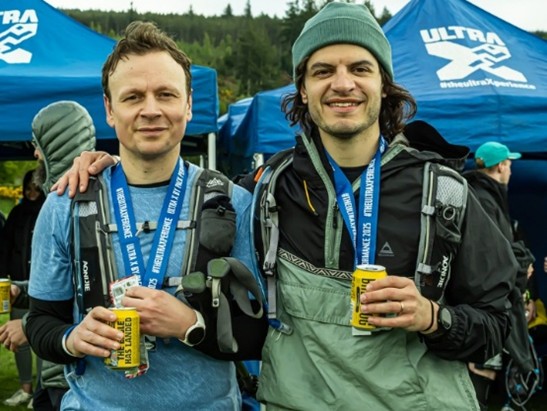


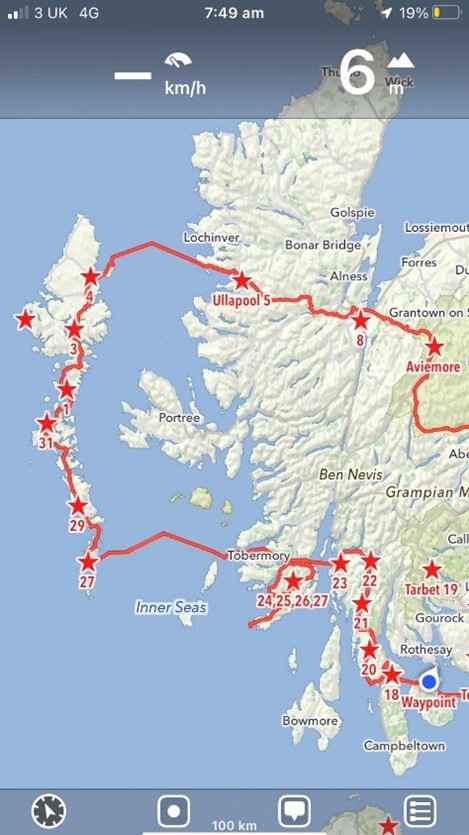
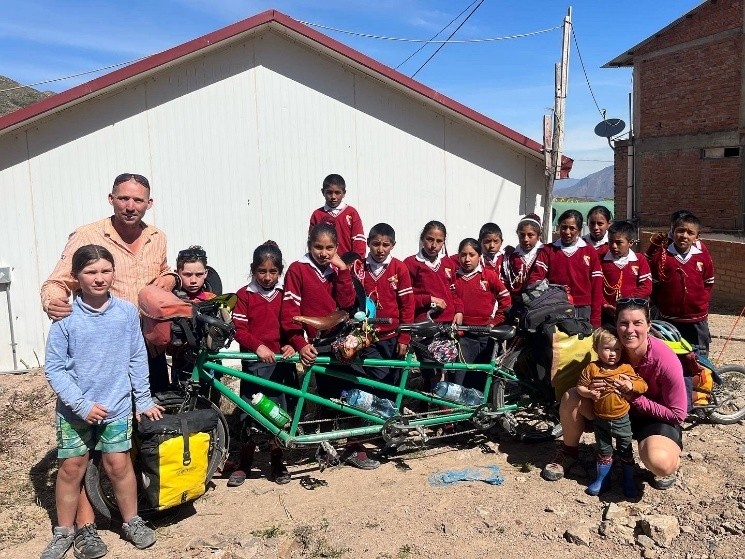
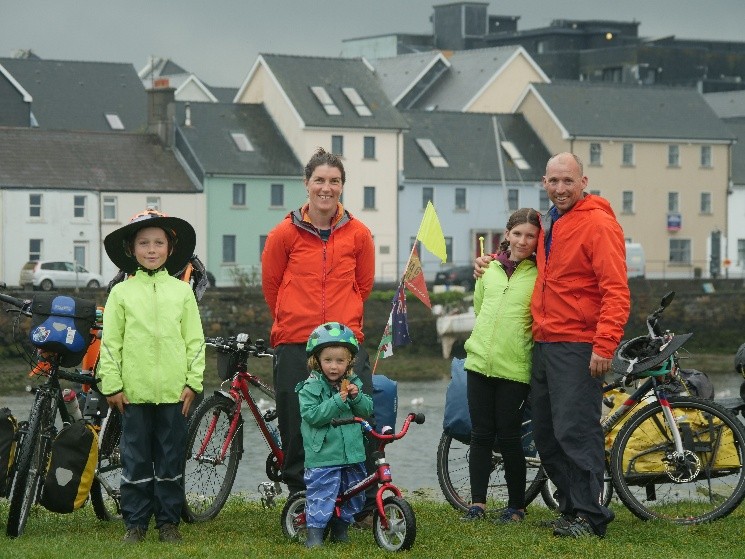


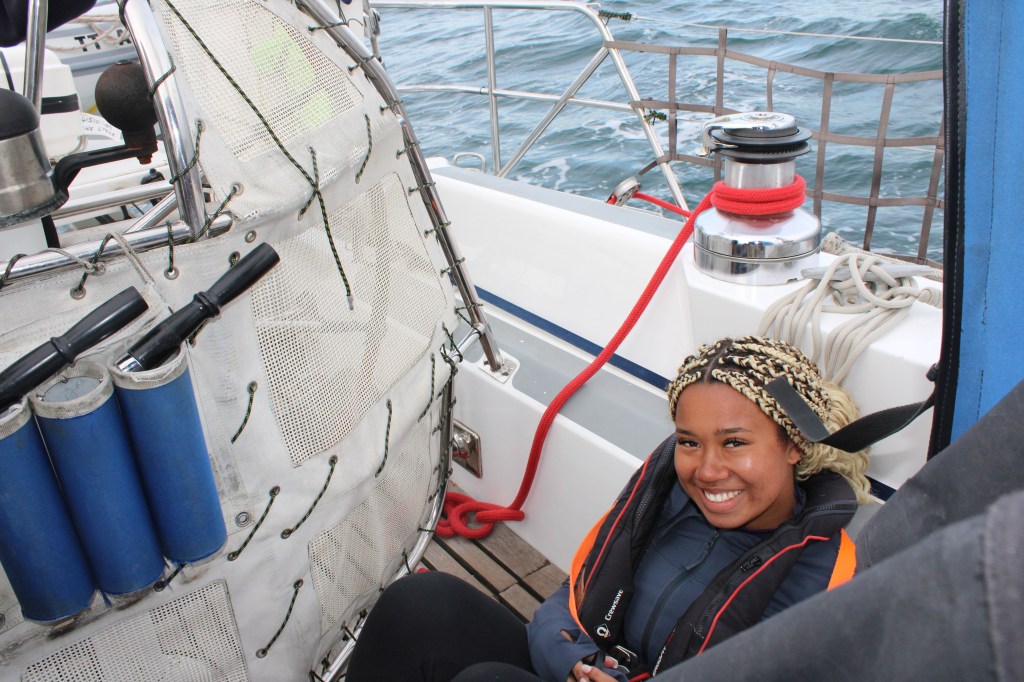
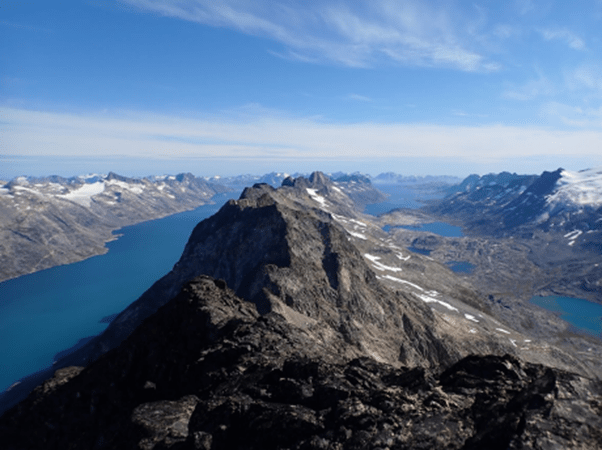

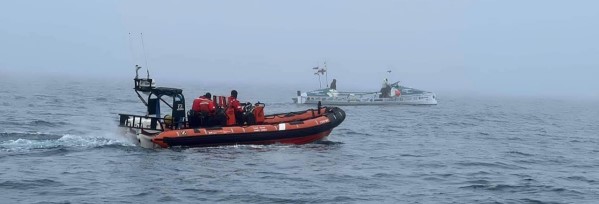


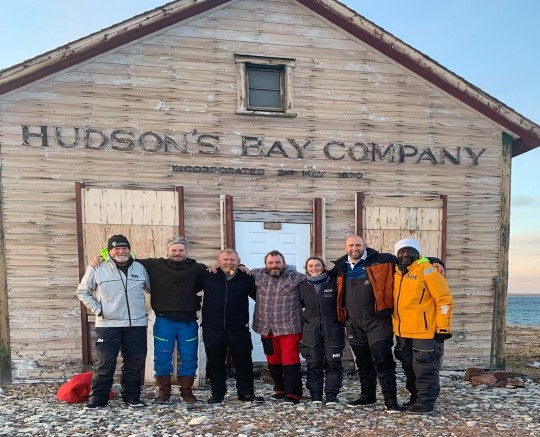
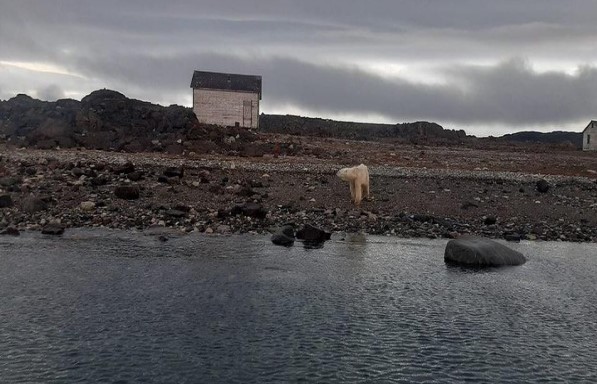

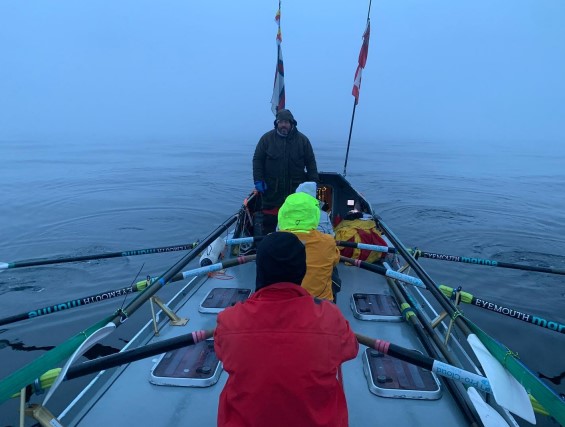

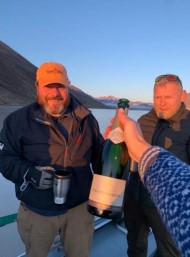
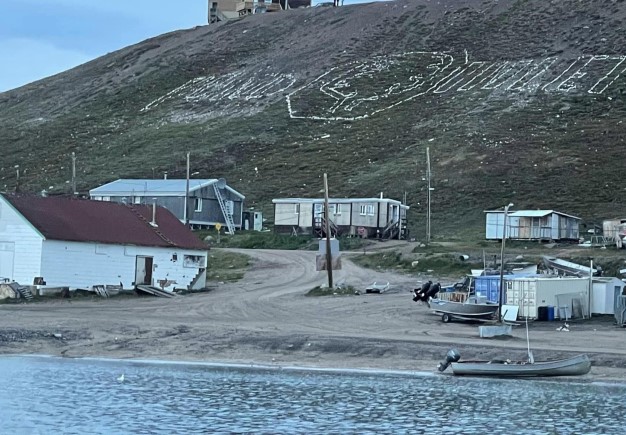


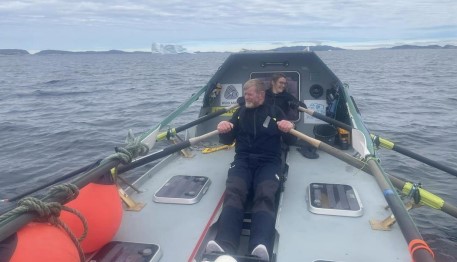
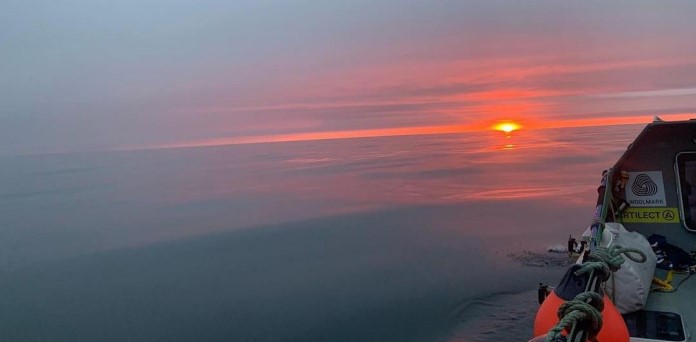


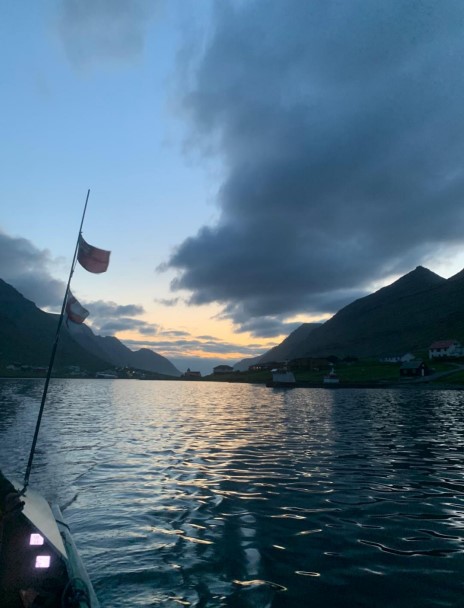

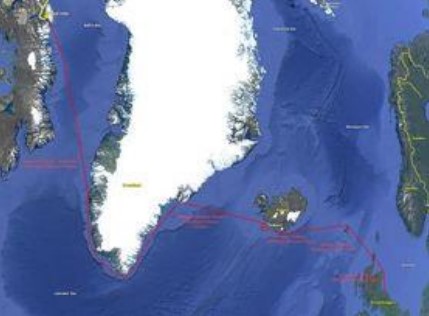
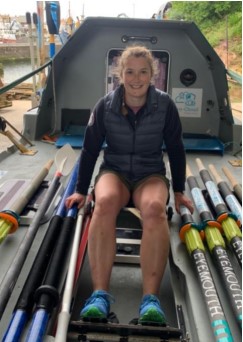
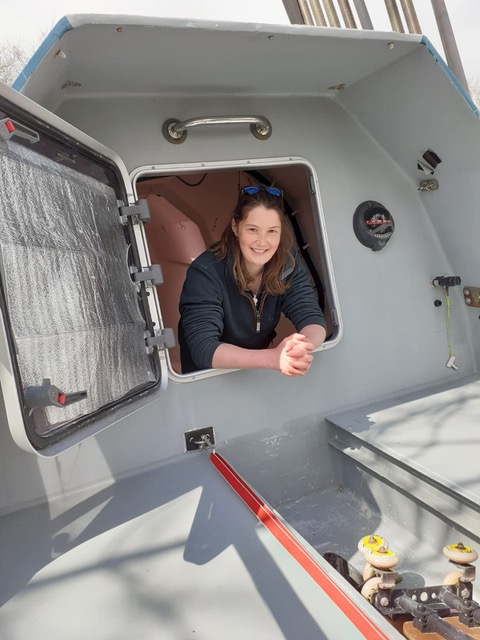


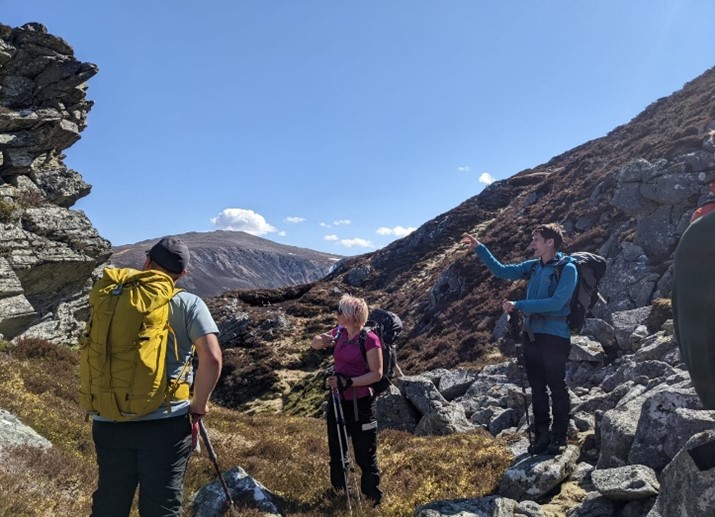

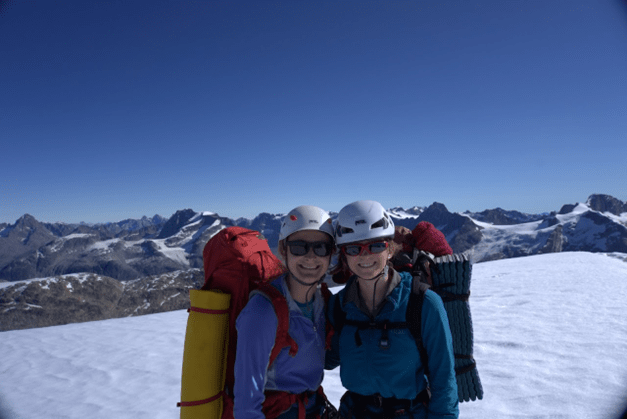

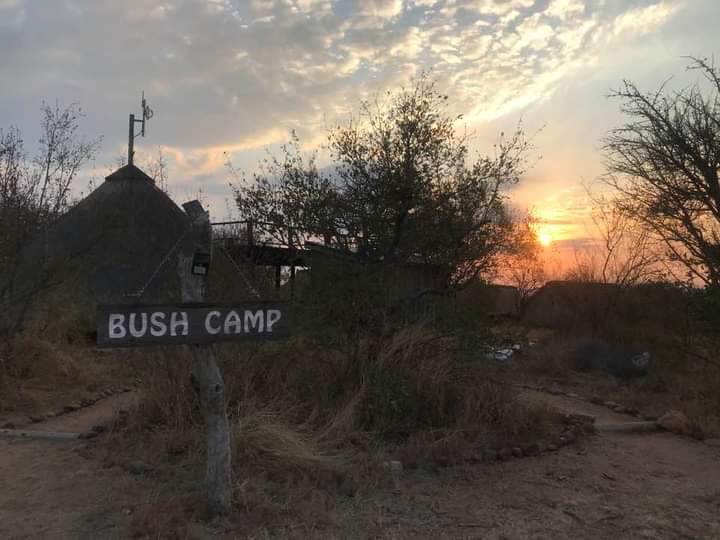
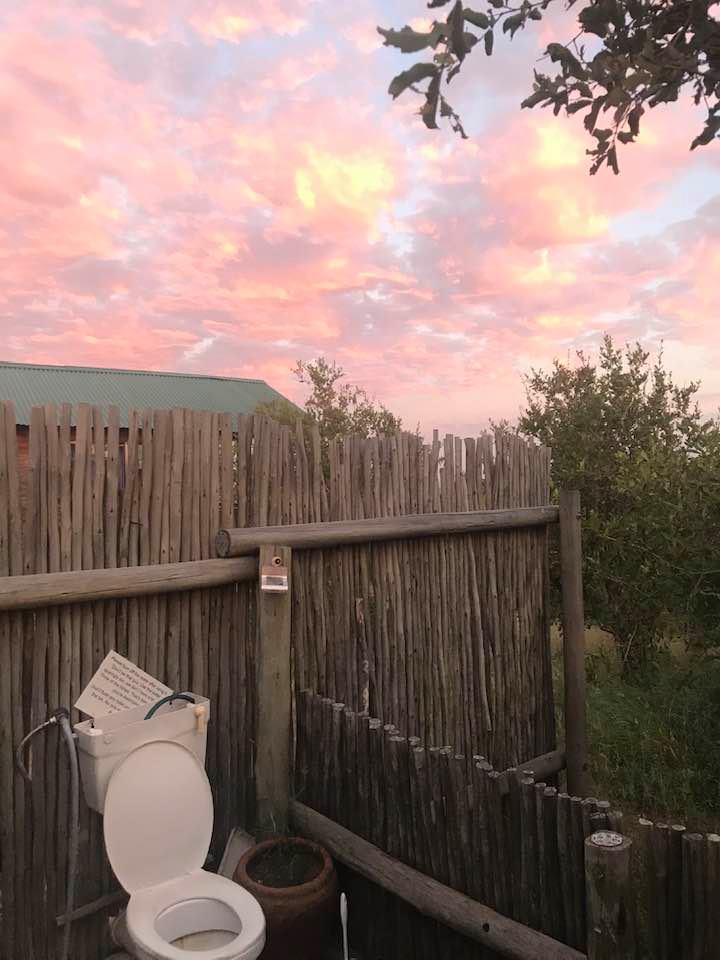
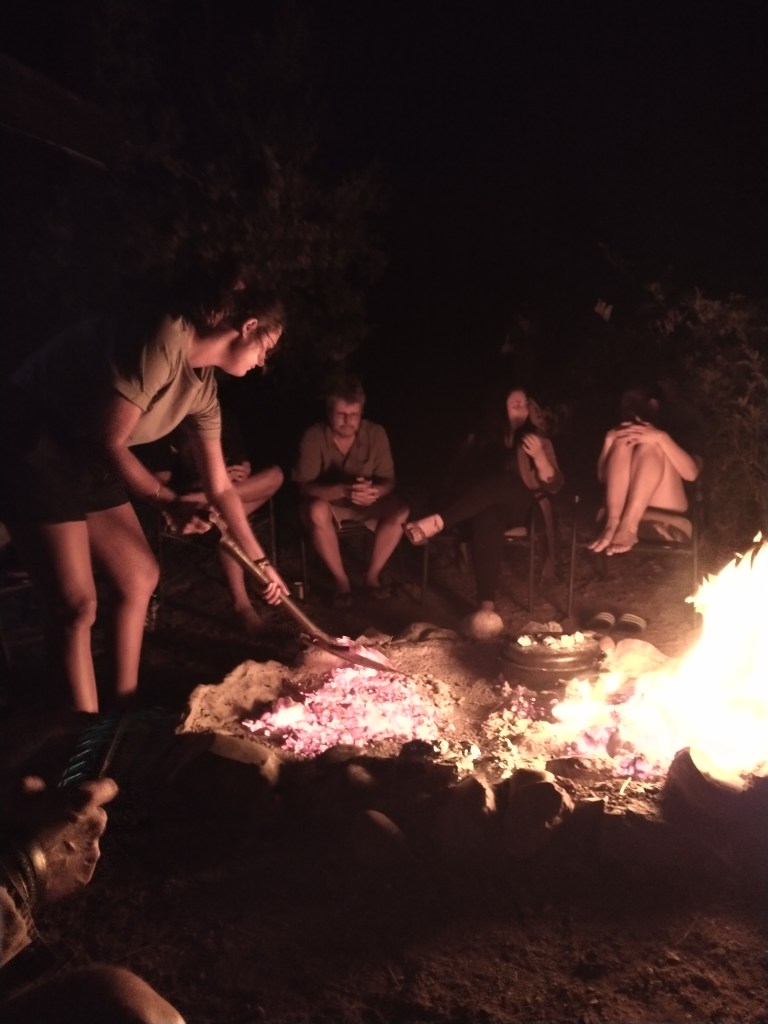

 The Neil Mackenzie Trust