Neil Mackenzie Skills Grant 2025 Report
Mid-February, I had the chance to take part in a Day Skipper course, setting sail from Largs.
The weather was typical for February; it was cold, and clouds obstructed the sky for most of the week. A few snowflakes greeted us on Monday morning, leaving the mountains of Arran beautifully dusted in white. The wind ranged from moderate to strong, culminating in a final-day gale that kept us docked on Friday. Going for a Day Skipper course in February was certainly a bold choice, but it prepared us for the toughest Scottish conditions. I dare say we did pretty well and thrived despite the cold and wet weather.
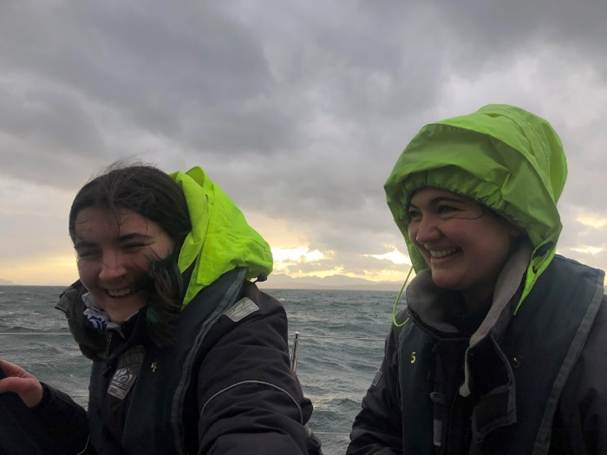
There were 5 of us on the boat, all coming from different sailing backgrounds. Luckily, this meant that we had complementary knowledge and we quickly became a team that worked really well together. One of the crew members, Scott, had worked as a chef and cooked delicious meals for the boat, whilst Julia was responsible for taking photos and videos, and later making a social media post about the course. My point is that skippering a yacht requires more than just sailing knowledge. As a skipper, your responsibility extends beyond navigation—you must ensure that the crew feels both comfortable and capable. On most cruises, some crew members will have never set foot on a yacht before, making it essential to teach them the basics of safe sailing. As our instructor, Nick, often reminded us: “The moment you become a Day Skipper, you become a teacher.”

On top of the human management skills, sailing a yacht requires a breadth of technical knowledge. A skipper must know how to sail but they also must know how the diesel engine works, what the emergency procedures are, how to operate a VHF, how to do a passage plan, how to cook safely in a yacht, how to keep the crew safe in strong wind and strong sea, and the list goes on. I personally felt confident sailing the yacht, since I do dinghy sailing competitively. However, I had never done a passage plan before, and during the course I learnt how to read charts and tide data tables. Charts are very fun objects and contain so much information that it can be overwhelming. When I did my first passage plan, I definitely got lost in the details of the charts. The plan I made initially was very precise, but some details were unnecessary, and it took a long time to prepare. As the days passed, I got better at prioritising certain information – for example having a good understanding of the weather forecast, noting down potential dangers on the route, and knowing what the tide is doing at departure and arrival are the most crucial points to consider.
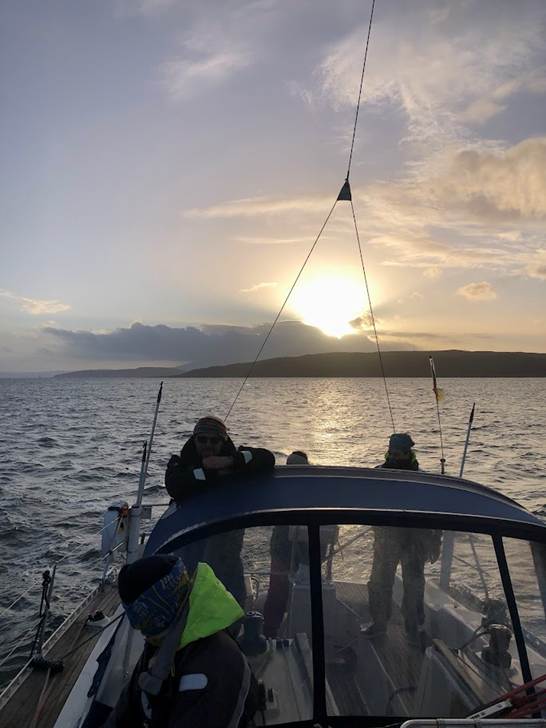
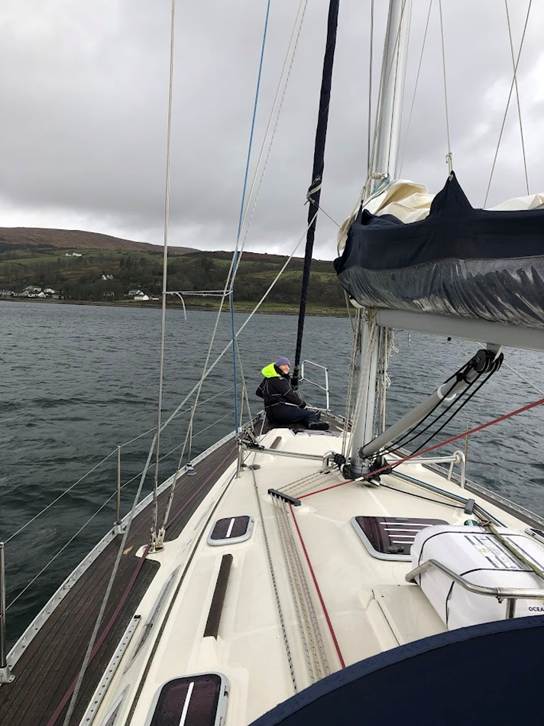
I had a great time both learning how to be a skipper and living for a week with a fantastic group of people. I am very grateful to the Mackenzie Trust for supporting me in this journey and I am looking forward to skippering a yacht for the first time this summer – putting what I have learnt into practice. My goal is to follow Nick’s mantra and keep sharing the sailing knowledge and passion!
Anne-Maëlle Penot
 The Neil Mackenzie Trust